Breath Awareness
The foundation: learning to observe your breath without forcing change. This develops the sensitivity and awareness that underpins all further practice.
Practice: 3–5 minutes daily of simple observation of natural breathing.
Our framework connects breath awareness, attention regulation, and daily integration. It's an educational model designed to help you understand how techniques support cognitive clarity in practice.
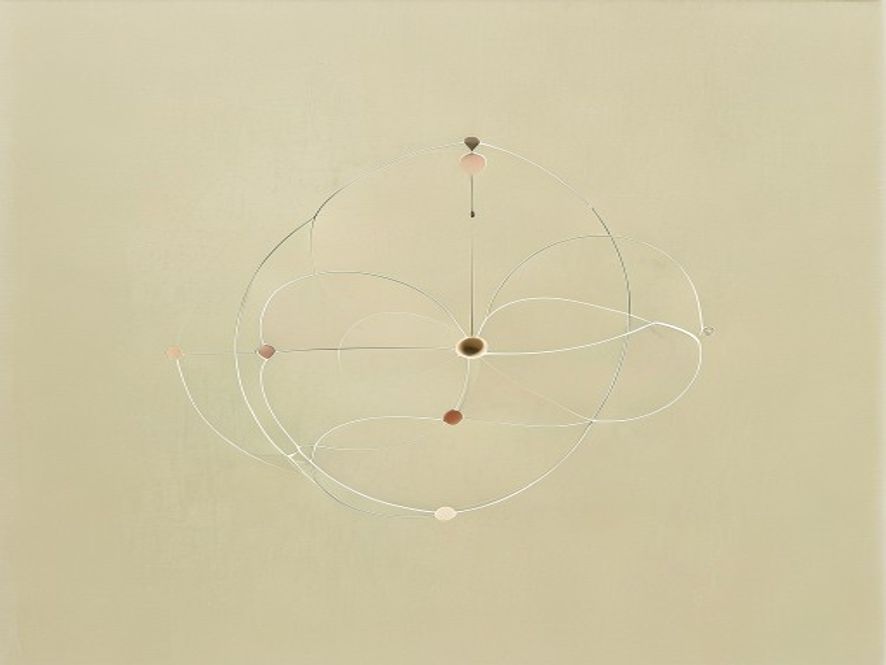
Our approach emphasises understanding each component and how they work together.
The foundation: learning to observe your breath without forcing change. This develops the sensitivity and awareness that underpins all further practice.
Practice: 3–5 minutes daily of simple observation of natural breathing.
Noticing how your breathing shifts with emotion, stress, focus, and relaxation. This builds the understanding that breath and mental state are linked.
Practice: Check in with your breath at different times of day, observing variations.
Learning specific breathing patterns and how to practise them with consistency and comfort. Each technique has a distinct application and feeling.
Practice: Choose one technique, practise daily for 2–3 weeks before exploring another.
Using breathing techniques to intentionally shift your mental state—calming before stressful meetings, energising before demanding work, settling before sleep.
Practice: Apply a specific technique at moments when you need a mental shift.
Weaving practices into your existing routines so they become natural and sustainable. This is where technique becomes habit—part of how you live.
Practice: Anchor breathing techniques to existing habits (before work, after lunch, before bed).
Month 1: Foundation — Develop breath awareness and learn the basics of pattern recognition. Begin with Natural Rhythm Breathing, practising 3–5 minutes daily.
Month 2–3: Building Skills — Master Extended Exhale and Box Breathing techniques. Practice each for 2–3 weeks, noticing how they affect your mental state.
Month 4+: Integration — Choose your preferred techniques and begin applying them to specific situations. Anchor practices to daily routines. Continue exploring variations as your understanding deepens.
This timeline is illustrative. Everyone moves through the framework at their own pace. Consistency matters far more than speed or intensity.
Work With Us
Use Box Breathing or Extended Exhale before high-demand tasks—presentations, difficult conversations, deep work. A 5-minute session can reset mental clarity for hours.
Practise breath awareness during study breaks. Use energising breath before tackling challenging material, calming techniques between subjects.
Extended Exhale breathing 20–30 minutes before sleep supports the transition from activity to rest. Consistency matters—a regular evening practice compounds benefits.
Use breath techniques between exercise sets or after physical activity to aid recovery. Conscious breathing supports the body's transition from exertion to calm.
Our framework draws on research in respiratory physiology and attention neuroscience. However, this is an educational model, not a medical or psychological treatment. Research on breathing and mental state continues to evolve; we present current understanding without making therapeutic claims.
Our focus is specifically on breathing techniques and their applications for clarity and focus. Meditation encompasses broader practices of mind training. Many people combine breathing techniques with meditation, but our framework is breath-centred and directly action-oriented.
The framework is designed as a progression—each element builds on the previous. That said, everyone's journey is unique. Start with awareness, develop skill with one technique, then experiment with applications that interest you most.
Join a group, book personal coaching, or start with our digital guides.
Get Started